

Penis hanging is one of the simplest forms of length-focused penis enlargement training. A hanger applies steady downward tension while gravity provides the load. The appeal is straightforward: the device does most of the work, it is easy to measure, and the user can often complete other tasks during a session if, for instance, they’re seated at a desk.
Simple does not mean careless. Long-term progress depends on using enough tension or weight to ligaments to loosen and stretch without rushing into heavy loads, long sessions, or poor device fit. Beginners should focus on comfort, circulation, skin condition, and gradual progression before thinking about advancing.
| Important safety note: Penis enlargement training can cause bruising, numbness, skin injury, blisters, circulation problems, and other complications. Stop immediately if you notice pain, loss of sensation, unusual discoloration, cold tissue, or persistent erectile changes. This guide summarizes the training approach described in the source material. It is not medical advice. |
Beginner Overview
| Subject | Takeaway |
| The goal | Create a controlled length-focused training stimulus through sustained tension. |
| Important note | Use the least weight that continues to produce a useful response. This can be between 1-2.5lbs first starting out. |
| Progression priority | Increase time before increasing weight. More on this when it comes to ‘strain’ and ‘fatigue’ |
| Compression hanging | Easy to put on, but requires frequent removal to restore circulation. |
| Vacuum hanging | Can be worn longer, but skin blisters are the main concern. |
| Common mistakes | Adding weight too quickly because heavier feels more productive. |
What Does Penis Hanging Actually Do?
The basic idea is to hold the penis in an elongated position under load. With that said, tension may encourage two related responses: gradual realignment of existing collagen and fatigue that signals tissue remodeling. Lower tension held for longer periods is framed as more useful for realignment, while higher tension for shorter sessions is framed as more useful for creating fatigue.
Hanging is generally better suited to higher-tension, shorter-duration work than an all-day low-tension extender. It can be thought of as an automated version of manual stretching. The body does not care whether the tension came from a hand, an extender, or a hanger. What matters is the amount of force, the duration, the tissue response, and whether recovery is adequate.
The practical advantage is consistency. A device makes it easier to apply repeatable tension without spending the entire session actively stretching by hand.
Why You Should Avoid Chasing Heavy Weight
Progressive overload matters, but it is easy to misunderstand. More weight is not automatically better. The tissues adapt to training by becoming stronger, and increasing load too quickly may speed up that strength adaptation. Once the tissue becomes highly resistant to the same stimulus, progress can become harder and a longer break may be needed.
The goal is not to lift the most weight. The goal is to use as little weight as possible while still creating a useful response. A slower progression can preserve room for future increases and may make long-term training easier to manage.
Compression Hangers vs. Vacuum Hangers
Compression Hangers
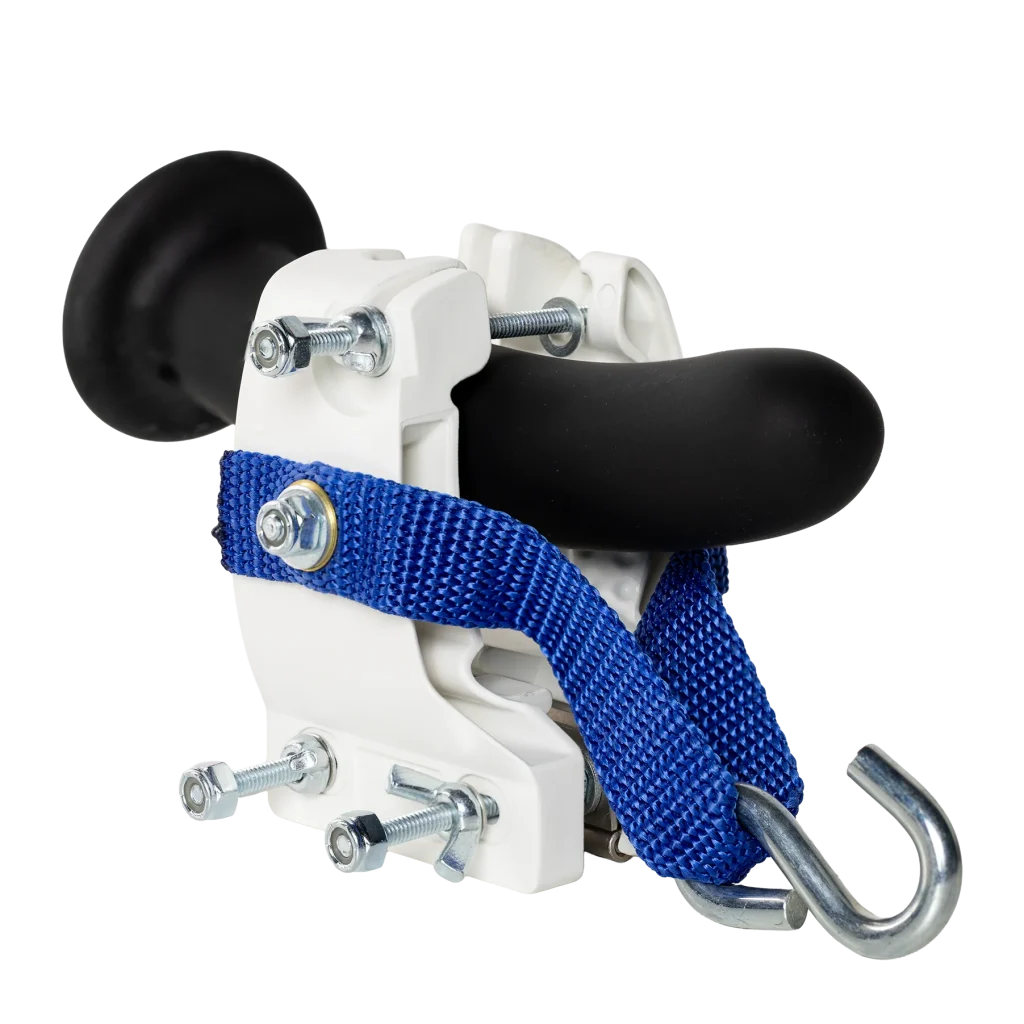
Compression hangers clamp around the shaft. They are usually simple to put on and take off, and they do not place vacuum pressure directly on the glans. This reduces the blister risk associated with vacuum devices.
The main concern is circulation. Because the device compresses the shaft, blood flow to the glans may be reduced. You should remove the compression hanger about every 20 minutes allowing several minutes for fresh blood flow before continuing. Pay close attention to color, warmth, sensation, and comfort.
- Advantages: simple setup, quick removal, and very low blister risk.
- Main limitation: frequent breaks are needed to restore circulation.
- Loading difference: a compression hanger may require somewhat more weight than a vacuum hanger to create a similar feeling of tension.
Vacuum Hangers
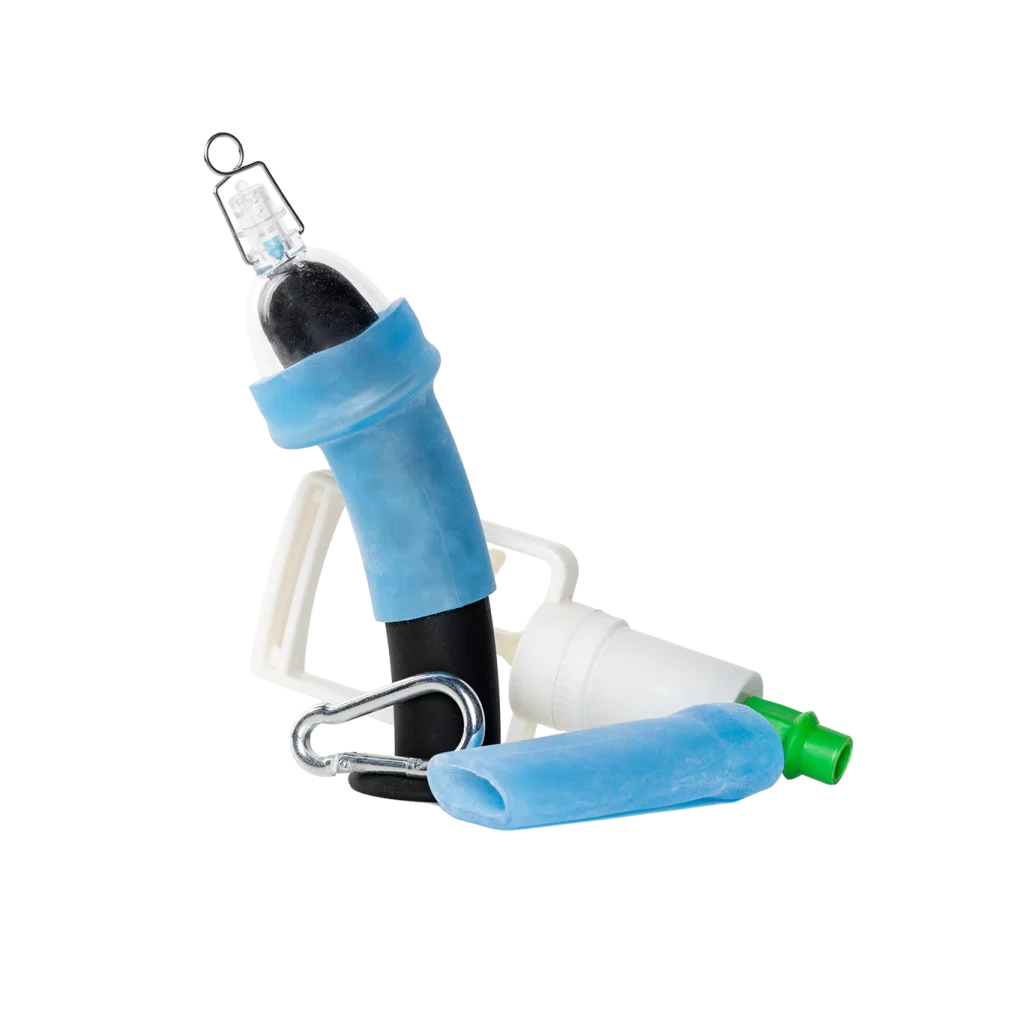
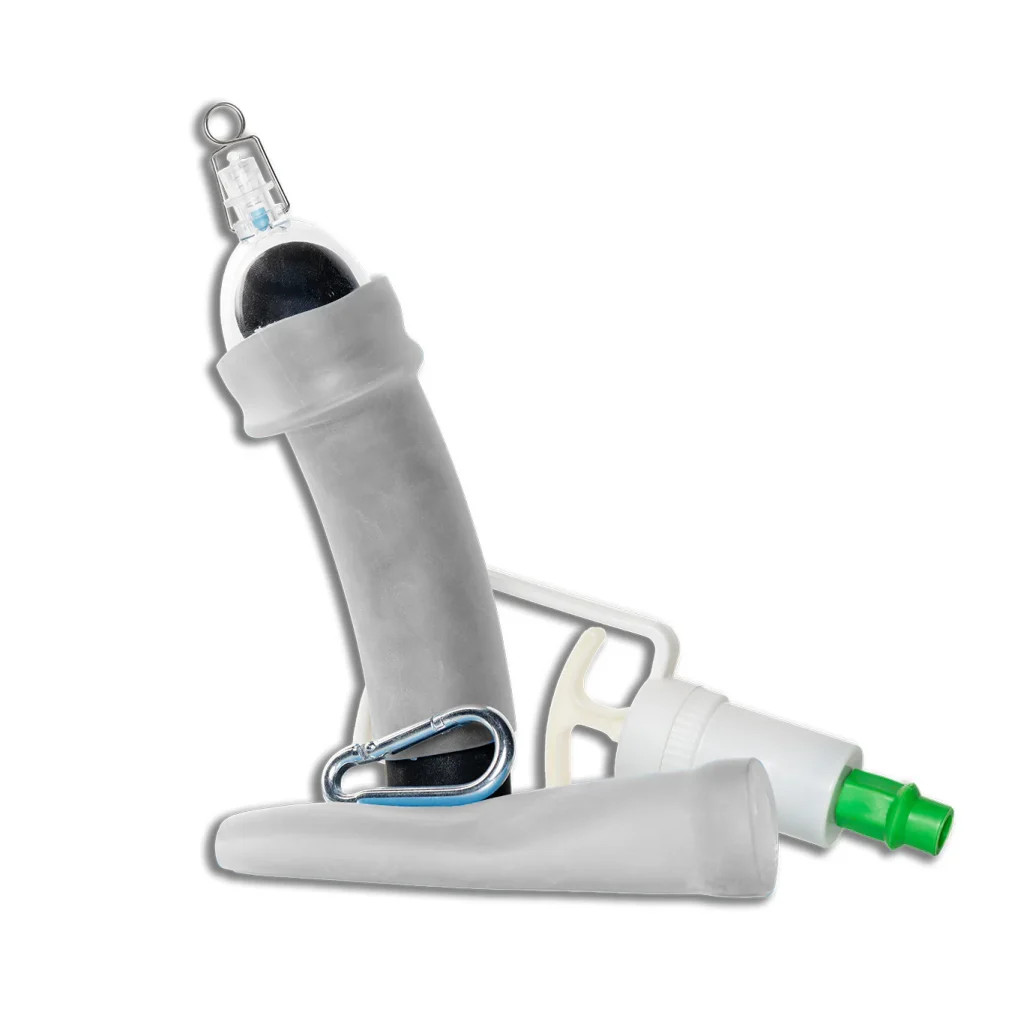
Vacuum hangers use a vacuum cup to hold the glans inside the device. They usually take more practice to apply correctly, but they can often be worn for longer continuous periods than compression hangers.
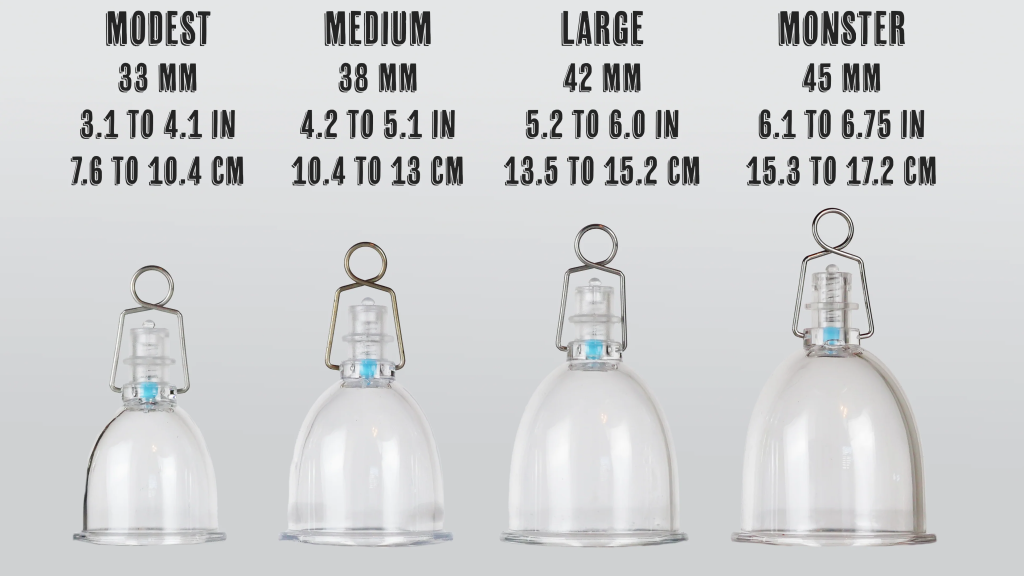
The main concern is skin injury, especially blisters. Blisters are usually a downtime problem rather than a catastrophic injury, but repeated blistering can damage the skin and interfere with training. Poor bell sizing, excessive vacuum, friction, long uninterrupted sets, and aggressive loading can all contribute.
- Advantages: longer continuous wear and often better comfort once fitted correctly.
- Main limitation: blister risk and more complicated setup.
- Risk reduction: use appropriate sizing, keep the skin smooth, limit friction, and divide long sessions into shorter sets when needed.
Which one is better? Neither design is automatically superior. The better choice is the one that fits well, maintains comfort, allows safe circulation, and matches the user’s tolerance for setup and breaks.
How Much Weight Should a Beginner Use?
I would recommend starting light and having a gradual build up to your working weight; a range around 1 to 2.5lbs, depending on comfort, device type, and individual response. The early goal is to work toward approximately 5 pounds over several weeks rather than jumping there immediately.
| Stage | Typical load | Main focus |
| Entry phase | 1 to 2.5 lb | Learn device placement, monitor circulation, and avoid pain or numbness. |
| Early build | Add about 1 lb every 1 to 2 weeks | Progress only when sessions remain comfortable and repeatable. |
| Working phase | Around 5 lb | Add time slowly before adding more weight. |
| Later progression | Small staged increases | Increase only part of the session first instead of raising every set at once. |
Once a working load is established, increase time before increasing weight. For example, a user might add a few minutes over several weeks. When an increase in weight is eventually needed, only the first set may be increased. Later, the higher load can be added to a second set, then a third set. This staged approach is easier to control than increasing the entire session at once.
Note: Change one variable, observe the response, and only progress when the current workload is well tolerated. Conditioning is a very important part of PE
What Is Skin Migration (or ‘Turkey Neck’)?

Skin migration is the gradual movement of loose skin toward the shaft as the tissues are repeatedly pulled forward. The concern is mostly cosmetic. A person may gain internal or structural length while the visible skin line also moves forward, making the gain appear smaller than expected.
I suggest keeping the skin reasonably taut during training and using complementary methods (like a ball stretcher) when appropriate. There is no perfectly convenient solution, so the practical goal is to limit the problem rather than assume it can always be prevented completely.
Some foreskin restoration devices (foreclips) have been used to help reduce the appearance of ‘turkey neck’. Otherwise, surgery is a more drastic option I would not recommend
A Beginner Hanging Routine
Preparation
Begin with approximately 10 minutes of light preparation work. You can do massage-based techniques and gentle manual work to relax the tissues before loading. The purpose is to make the tissue easier to elongate and reduce the urge to begin the session aggressively.
Short Loading Sets
Complete approximately 10 short sets of about 60 seconds each, with only brief pauses between sets. These early sets are intended to gradually fatigue and relax the tissue rather than immediately force maximum stretch.
Longer Working Sets
After the short sets, complete two longer sets of about 5 minutes each. Beginners should use a conservative load and maintain smooth, steady tension. Jerking the weight, dropping into the load, or chasing an intense sensation defeats the purpose of controlled training.
Optional Light Girth Work
Incorporate light pumping after length work. The reasoning is that length training may expand the outer structure faster than the blood-holding tissues adapt. A limited amount of girth work is presented as a way to support balanced development. You should not add this automatically if the hanging session already produces significant fatigue or swelling.
Light Retention Work
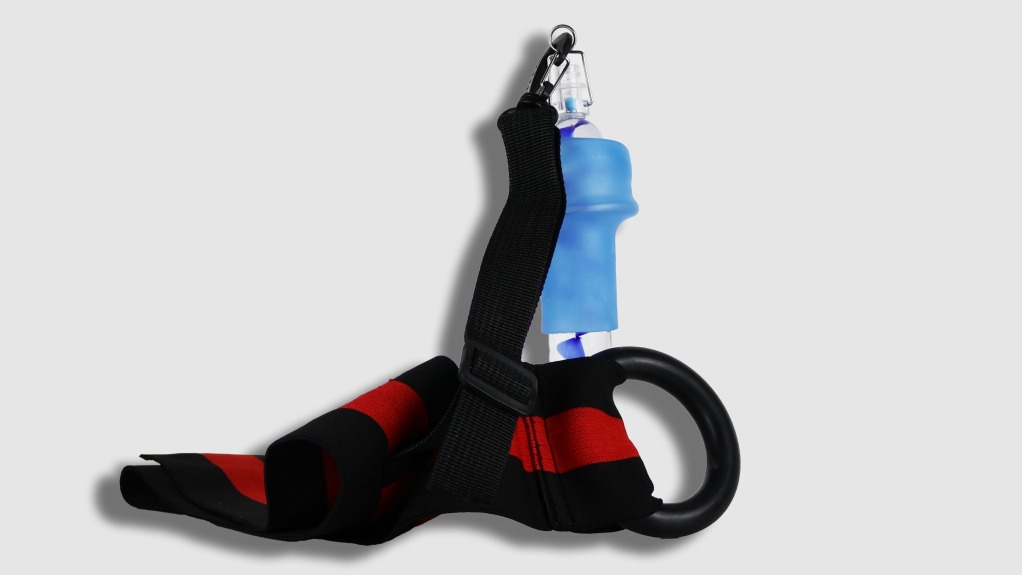
You can do light, gentle stretches during the day or very low-tension all-day stretching. The purpose is to spend more time in an elongated position without turning every session into heavy training. Any all-day device should use very low tension and should not interfere with walking, circulation, or normal daily activity.
How Often Should Beginners Train?
Your main session can be done about five to six days per week and lighter retention work used on other days. I understand this is a demanding schedule for a true beginner, so go slow and steady when first starting out; this is a gradual process. Start with fewer sessions, confirm that skin, sensation, erection quality, and comfort remain normal, then increase only if recovery (EQ) is consistently good.
As session length increases, the number of hard training days may need to decrease. More work is not automatically more productive. The right frequency is the highest frequency that still allows normal function, healthy skin, good erection quality, and stable performance from one session to the next.
Warning Signs You Are Doing Too Much
- Pain during or after training
- Numbness, reduced sensitivity, or persistent tingling
- Cold tissue or unusual color changes
- Blisters, broken skin, or repeated fluid buildup
- Swelling that does not settle normally
- Reduced erection quality or difficulty maintaining an erection
- A need to use more weight just to feel the same session
- Soreness or fatigue that accumulates from day to day
Stop immediately if you experience any of these warning signs. Allow for recovery, reassess device fit and loading, and seek medical care if symptoms are severe, persistent, or involve circulation or loss of sensation.
Common Beginner Mistakes
Starting too heavy: Heavy loading can make the session feel productive while increasing discomfort, circulation problems, and unnecessary adaptation.
Adding weight before time: Time under controlled tension is usually the better first progression variable.
Ignoring device fit: A poor fit can concentrate pressure, increase slipping, create friction, and raise blister risk.
Training through numbness: Loss of sensation is not a normal sign of a successful session. It is a reason to stop.
Changing too many variables: When weight, time, frequency, and supplemental work all increase together, it becomes impossible to identify what caused a problem.
Treating discomfort as proof of growth: The useful stimulus is controlled tension, not pain.
The Biggest Takeaway
Hanging is mechanically simple, but successful training is built on restraint and gradual progression. The best program is not the one with the heaviest weight or the longest session, but the one that can be repeated consistently while preserving circulation, sensation, skin health, erection quality, and room for future progression.
Less is more
Start light. Learn the device. Increase time before weight. Use staged progressions. Take warning signs seriously. Long-term consistency is more valuable than proving how much weight you can hang today.